


📌 Key Takeaways
When it comes to tips for mosquito prevention, there is a lot worth knowing before you get started. Ever tried to enjoy a summer evening on the patio only to end up slapping at your arms every few seconds? If so, you already know why mosquito prevention matters. These bugs aren’t just annoying; they’re a genuine health concern. Worldwide, there are roughly 1,700 species of mosquitoes, and while most won’t bother you, the ones that do can carry diseases like West Nile virus, Zika, and dengue. Here’s the good news, though: you can significantly cut mosquito activity around your property with a handful of consistent habits.
This guide walks through practical tips for mosquito prevention that actually work, from managing standing water to knowing when it’s time to call in a local pest control company for backup.
Why Mosquito Prevention Should Be a Priority
Mosquitoes need standing water to breed, and they don’t need much of it. A bottle cap’s worth of water left out for a week can turn into a nursery for dozens of larvae. That’s why prevention isn’t a one-time chore; it’s tied to how your yard handles water after rain or irrigation, week after week. This is one of the key reasons Why You Need Mosquito Control Services to help identify breeding areas and manage mosquito activity around your property.
Beyond the itching, mosquito bites can pose health risks by spreading harmful pathogens. You don’t need to live in fear of your backyard, but you do need a reliable prevention plan. Think of prevention in layers: cut down breeding sites, protect your skin, seal up your home’s entry points, and bring in professional mosquito control services when the problem is bigger than DIY methods can handle.
Start With Standing Water
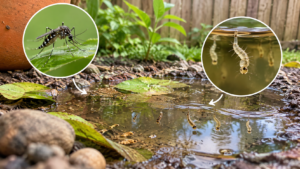
This is the single most effective thing you can do, full stop. Mosquitoes lay eggs in water, and it doesn’t take a pond or a puddle to get the job done. Buckets, clogged gutters, old tires, plant saucers, birdbaths, kiddie pools, even bottle caps- all of it can hold enough water to support a mosquito life cycle.
Weekly Water Checks
The CDC recommends emptying, scrubbing, turning over, covering, or throwing out items that hold water around the home at least once a week. Scrubbing actually matters here, because mosquito eggs can stick to the sides of containers and survive even after you’ve dumped the water out. Make this part of your weekend routine, right alongside mowing the lawn or checking the mail.
Common Spots People Forget
- Gutters clogged with leaves that trap rainwater
- Tarps covering grills, firewood, or boats where water pools in the folds
- Children’s toys left outside after a storm
- Tree stumps or hollow logs that collect rainwater
- Flowerpot saucers and trays under potted plants
- Recycling bins or trash cans without lids
Got a feature you can’t drain, like a koi pond or a rain barrel? Consider adding mosquito dunks with a larvicide that’s safe for fish and wildlife, or just stock the water with fish that eat larvae.
Protect Your Yard’s Perimeter
Mosquitoes rest in shady, humid spots during the day — think tall grass, dense shrubs, overgrown vegetation. Keeping your lawn trimmed and bushes thinned out removes their shelter and makes your yard a lot less inviting.
Consider these additional yard adjustments:
- Trim back overgrown plants near patios and entry doors
- Store firewood away from the house, since piles can trap moisture
- Use yellow or warm-toned outdoor bulbs, which attract fewer flying insects than standard white light
- Run fans on porches and decks, since mosquitoes are weak fliers and struggle against moving air
Personal Protection Tips
Even with a well-managed yard, mosquitoes can drift in from a neighbor’s property or a nearby wetland. That’s where personal protection comes in.
Repellents That Actually Work
Stick to EPA-registered repellents containing DEET, picaridin, IR3535, or oil of lemon eucalyptus. These ingredients have been tested for effectiveness and safety when used as directed. Spray exposed skin and clothing, and reapply according to the product label, especially after swimming or heavy sweating.
For extra protection in high-risk areas, you can treat clothing and gear with permethrin. A 0.5% permethrin treatment is commonly used for clothing and outdoor gear, and it can remain effective through several washes when applied according to product instructions. It’s a popular option for campers, hikers, and anyone spending extended time outdoors during peak mosquito season.
Dress Smart
Long sleeves and pants are old advice, but it still holds up. Loose, lightweight fabric in neutral colors gives mosquitoes less skin to target and less contrast to key in on, since some species are drawn to dark colors and movement.
Time Your Outdoor Activities
Dawn and dusk are peak biting hours for many mosquito species. Planning a barbecue or an evening walk? Try shifting it slightly later into full darkness, or earlier in the morning when mosquito activity tends to dip.
Secure Your Home’s Entry Points
Keeping mosquitoes out of the house matters just as much as managing the yard. Inspect window screens and door screens for tears or gaps, and repair or replace them as needed. A screen with even a small hole is enough for mosquitoes to slip through at night.
Running air conditioning instead of leaving windows open cuts off indoor mosquito entry points entirely — closed windows paired with cool air mean no screens to maintain and no gaps to worry about. If you prefer sleeping with windows open, or you live somewhere without reliable air conditioning, a mosquito net over the bed is a cheap, highly effective backup, particularly in regions where mosquito-borne illness is a known concern.
For more detail on repellent choices and additional bite-prevention methods, the EPA’s guide on preventing mosquito bites is a solid resource with practical breakdowns by product type.
Traveling? Don’t Let Your Guard Down
Mosquito prevention doesn’t stop at your property line. Traveling somewhere with known mosquito-borne disease? Pack repellent and permethrin-treated clothing ahead of time rather than hoping to find it locally. Check the CDC’s travel health notices for your destination before you go, and ask a doctor or travel clinic about any recommended precautions for your trip. Once you’re home, keep up your weekly water checks so a good habit doesn’t lapse just because the trip is over.
When to Call a Professional
Even a well-kept yard can have breeding sites you’d never think to check, especially on larger lots, near ponds or wetlands, or on properties with lots of shade and dense planting. If you’ve been dumping water, trimming back plants, and using repellent, and mosquitoes are still making your yard hard to enjoy, it’s time to get backup.
A local pest control company can inspect your property, find the spots that keep feeding the problem, and put together a treatment plan that fits your yard. It’s worth asking what products they use, how they handle the area around pets, children, and water features, and how often follow-up visits are needed. Rice’s Termite & Pest Control offers mosquito pest control for homes across Delmarva, and its mosquito treatment packages are one place to start if you’d like help.
Final Thoughts
The best tips for mosquito prevention come down to a few habits you can keep up all season. Remove standing water every week, keep your grass and shrubs trimmed, repair screens, use a repellent that works, and plan your time outdoors around peak mosquito hours. None of these steps is difficult, but together they make a real difference, because each one cuts off a part of the mosquito life cycle. If your yard still has more mosquitoes than you can manage, the best mosquito exterminator is one that inspects your property, finds the hidden breeding spots, and builds a plan around your yard, and Rice’s Termite & Pest Control can help. Call +1 (410) 742-3111 or request a free estimate to talk through your property.
Frequently Asked Questions
What is the most effective tip for mosquito prevention?
Getting rid of standing water. Mosquitoes need water to breed, and even a small amount in a bucket, gutter or plant saucer is enough.
How often should I check my yard for standing water?
At least once a week, and after heavy rain. Scrub, turn over or cover anything that holds water, since eggs can survive on the sides of containers.
Do mosquito repellent plants and bug zappers work?
The evidence for both is weak. Removing standing water and using a registered repellent works far better.
Are mosquito dunks safe around fish and wildlife?
Products labeled for this use are designed to be safe when used as directed. Always follow the label for your type of water feature.
When should I call a pest control company for mosquitoes?
When you’ve removed breeding sites and mosquito activity is still heavy, or your property has large lots, ponds, or dense shade that are hard to manage yourself.